
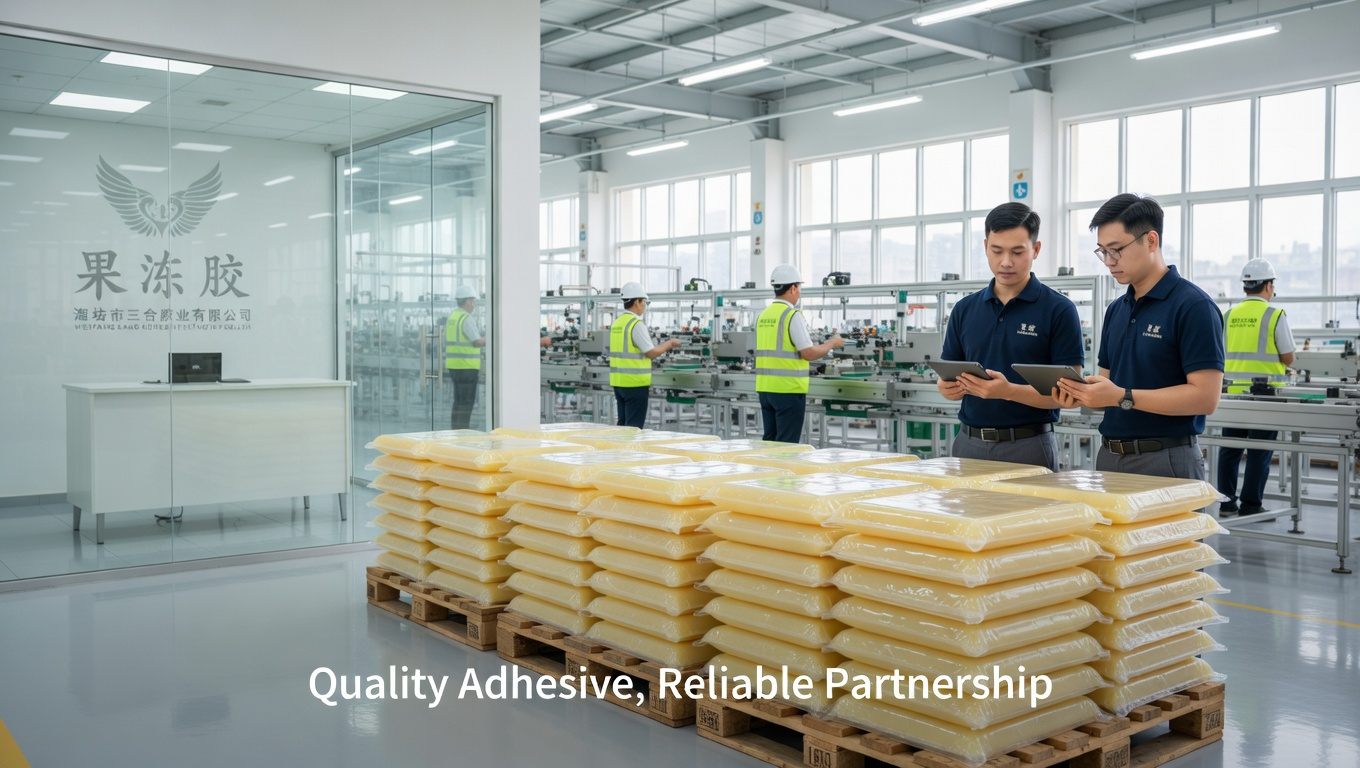
Stabilize Heat First
Most stringing starts with temperature drift. Keep tank, hose, and nozzle zones aligned and avoid overheating during idle periods. Large temperature swings change viscosity and create unstable pull-off behavior.
For production teams, record temperature every shift and compare against stringing rate. A stable baseline is necessary before changing models.
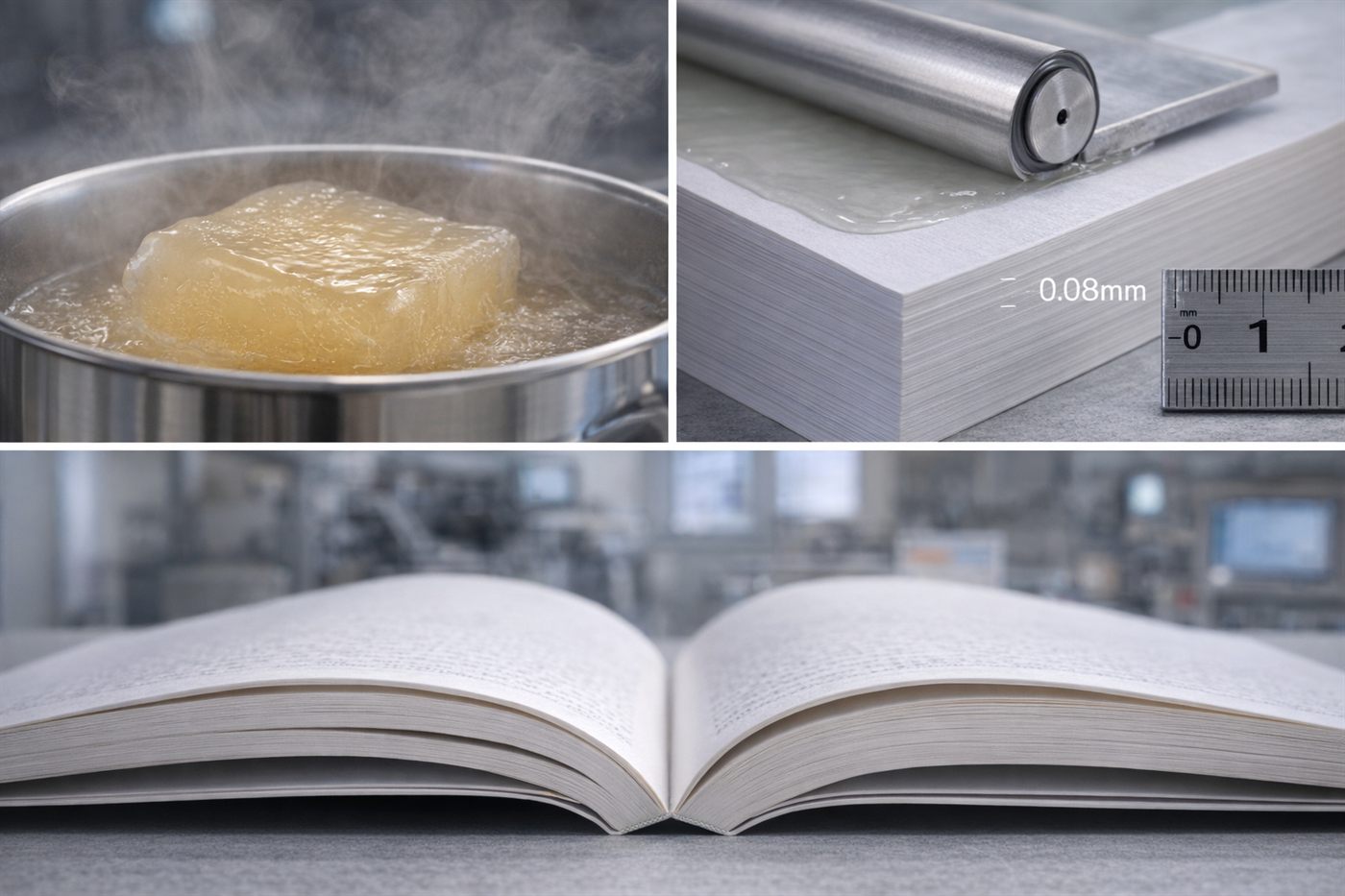
Correct Nozzle and Bead Settings
Oversized bead and poor nozzle condition often cause long tails. Verify nozzle cleanliness, replace worn tips, and reduce bead size gradually while maintaining bond coverage.
Many lines can reduce stringing with process tuning before changing material. If tuning is insufficient, move to a lower-stringing model with the same target set time.
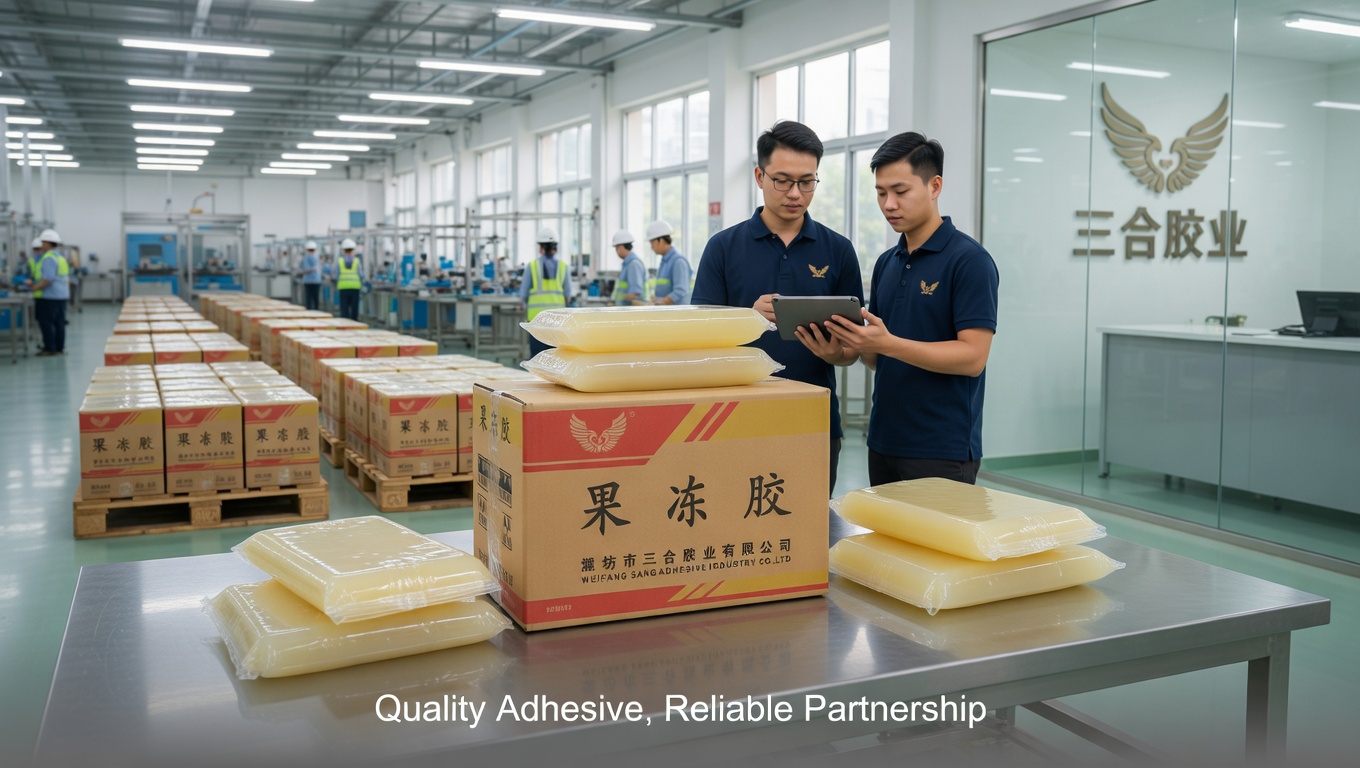
Fast Checklist for Buyers
Ask suppliers for these items before final model selection.
Still Seeing Stringing?
Send your line speed, substrate, and current settings. We can recommend a lower-stringing model and a practical trial plan.
Frequently Asked Questions
Direct answers for procurement managers and process engineers.
How do I reduce stringing in hot-melt application?
Use stable-viscosity material, maintain correct application temperature, and select a low-stringing grade matched to line speed.
Which models reduce stringing?
Low-stringing series are formulated for clean edge release and reduced web/string defects on high-speed lines.