In short
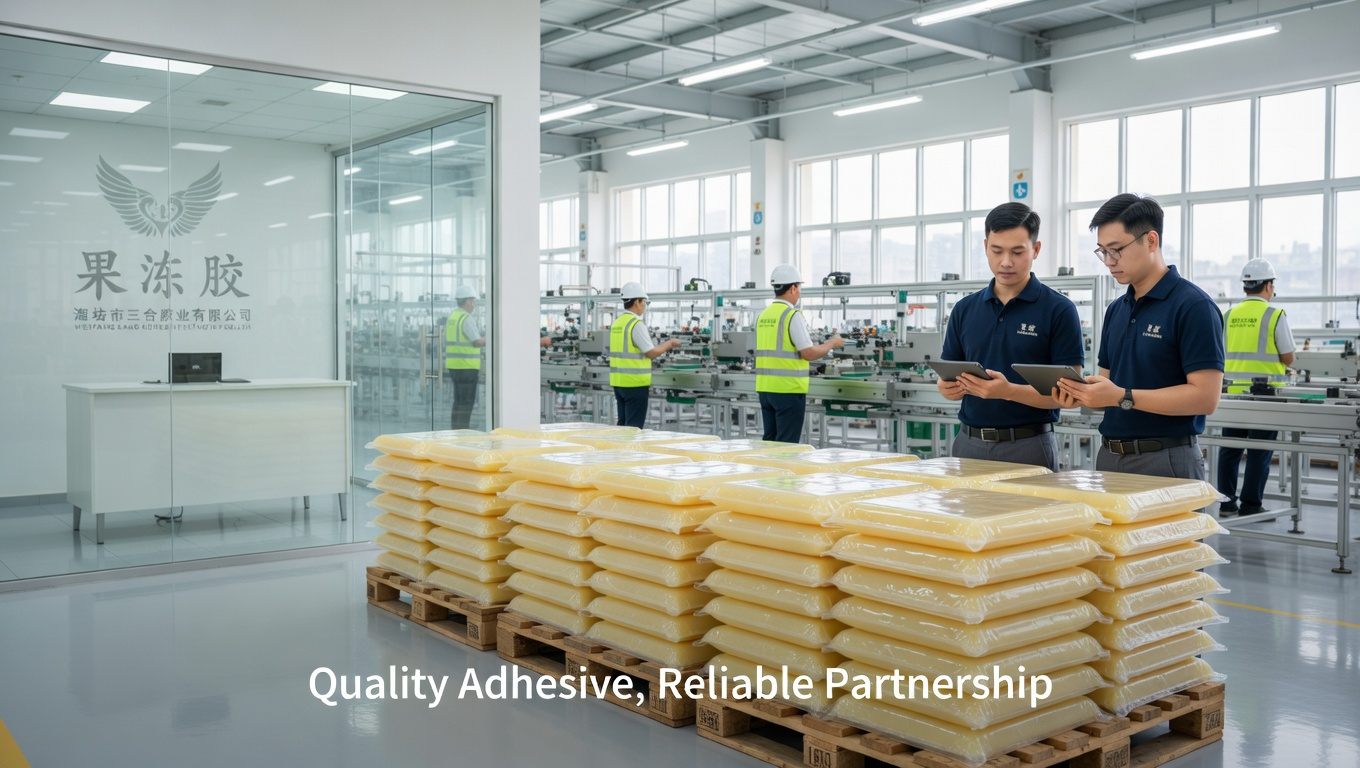
Low stringing matters most when you are trying to maintain line speed without cleanup, rework, or adhesive tails across cartons and covers.
Key takeaways
- Cleaner edge control at higher throughput
- Less tailing and less contamination on finished work
- Balanced set time for continuous industrial production
Explore next
Why Low Stringing Matters on Fast Lines
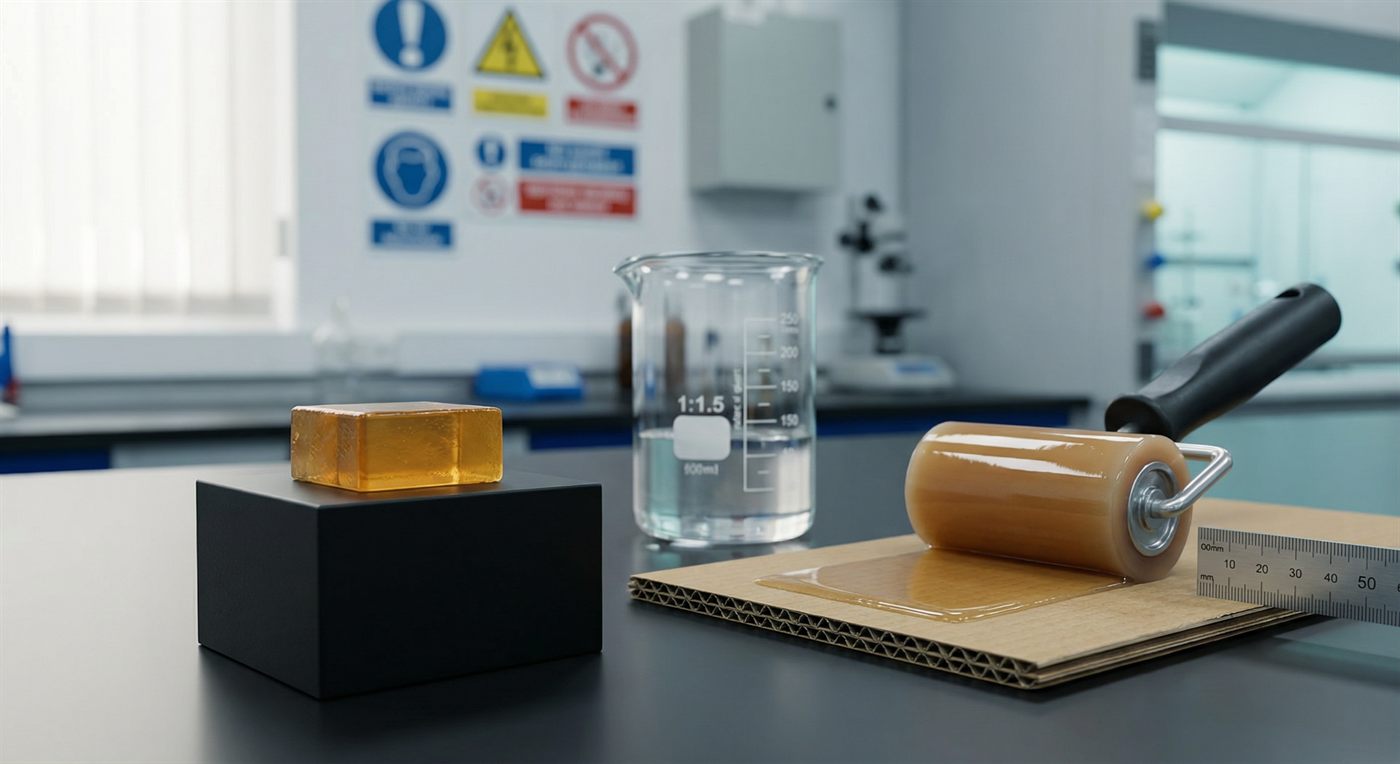
At higher output, adhesive tails and messy release become more expensive. Low stringing jelly adhesive helps operators maintain cleaner equipment, more stable bonding zones, and fewer defects per shift.
Stable Viscosity Supports Throughput
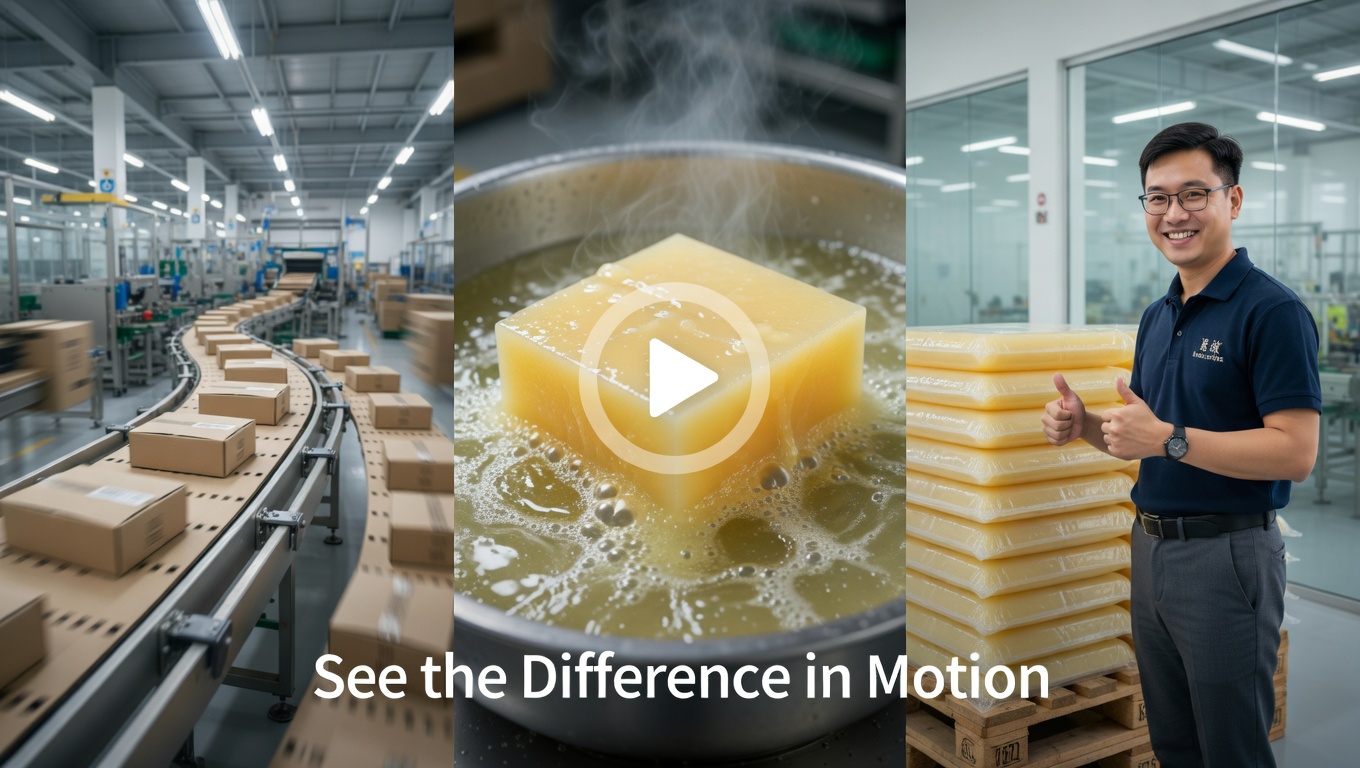
Low stringing is not only about the formulation. It also depends on stable viscosity and the right set time for your temperature, coat weight, and machine speed.
Quick Facts
What high-speed production teams usually ask first.
Need Lower Stringing on a Faster Line?
Tell us your line speed, substrate, and current adhesive problem. We will recommend a model that better matches your throughput and cleanliness target.
Frequently Asked Questions
Direct answers for procurement managers and process engineers.
Which adhesive reduces stringing on high-speed lines?
Low-stringing jelly adhesive grades with fast set (3-8s) and stable viscosity are used to reduce stringing and rework at 60-140 m/min.
How is stringing controlled?
Stable viscosity, correct temperature, and the right model grade keep melt flow clean at high line speeds.