
Quick Facts
Key operating targets for most high-speed carton lines.
How Buyers Shortlist Faster
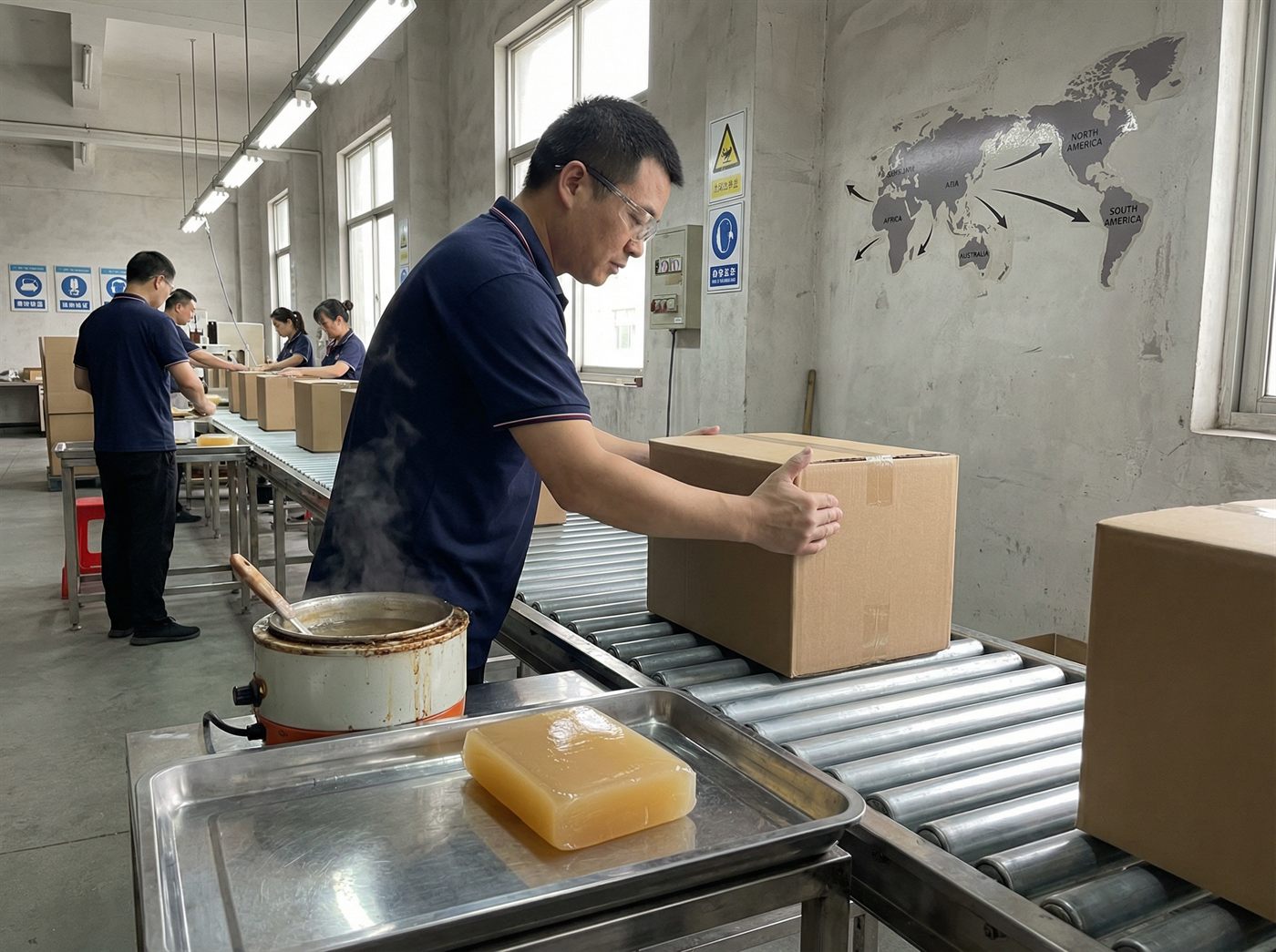
Start with substrate type, target throughput, and current issue (stringing, residue, weak flap bond, or slow set). These three inputs usually narrow recommendations to one or two models. Then verify viscosity at operating temperature and match set time to actual conveyor speed.
For fast lines, selecting only by bonding strength is not enough. Stable flow and repeatable bead release are equally important for consistent appearance and less rework. Procurement teams should request model sheets with open time/set time windows, then run a short trial on real production materials.
Minimal Trial Checklist
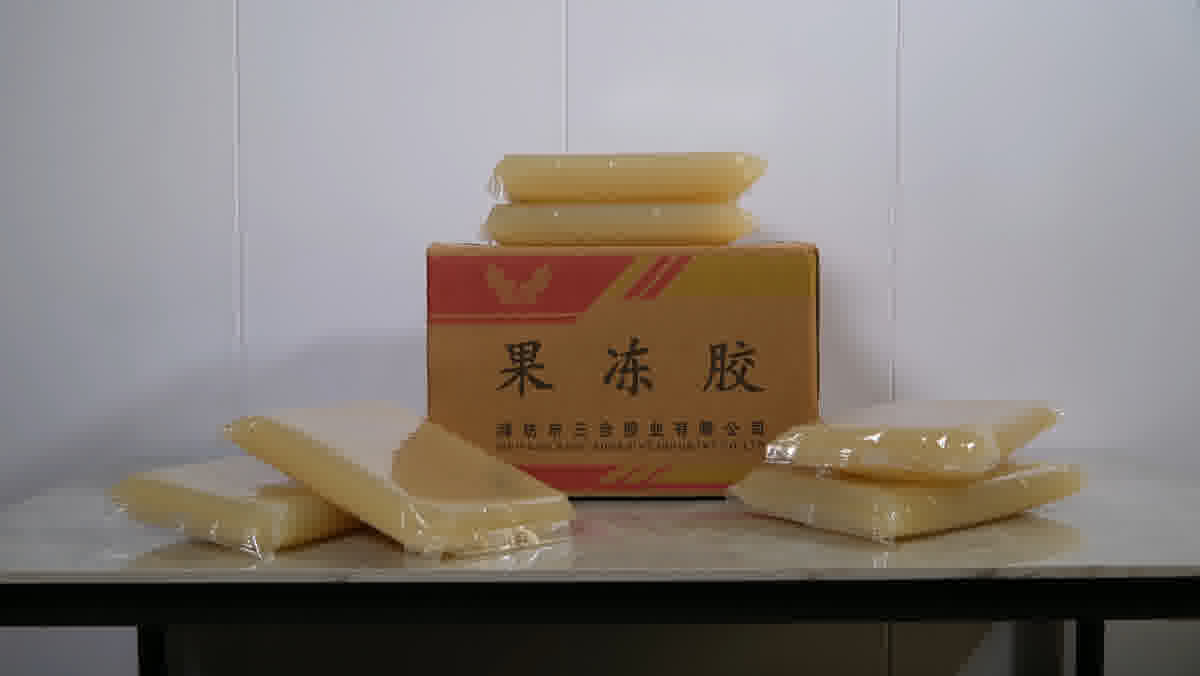
1) Lock tank, hose, and nozzle temperature within a narrow range.
2) Measure bead size and verify nozzles are clean.
3) Compare two candidate models with the same speed and substrate.
4) Record stringing level, edge cleanliness, and bond consistency.
This approach gives both technical and purchasing teams clear evidence before RFQ. If results are close, choose the model with better process tolerance, not only peak strength.
Frequently Asked Questions
Direct answers for procurement managers and process engineers.
What adhesive is best for high-speed carton packaging?
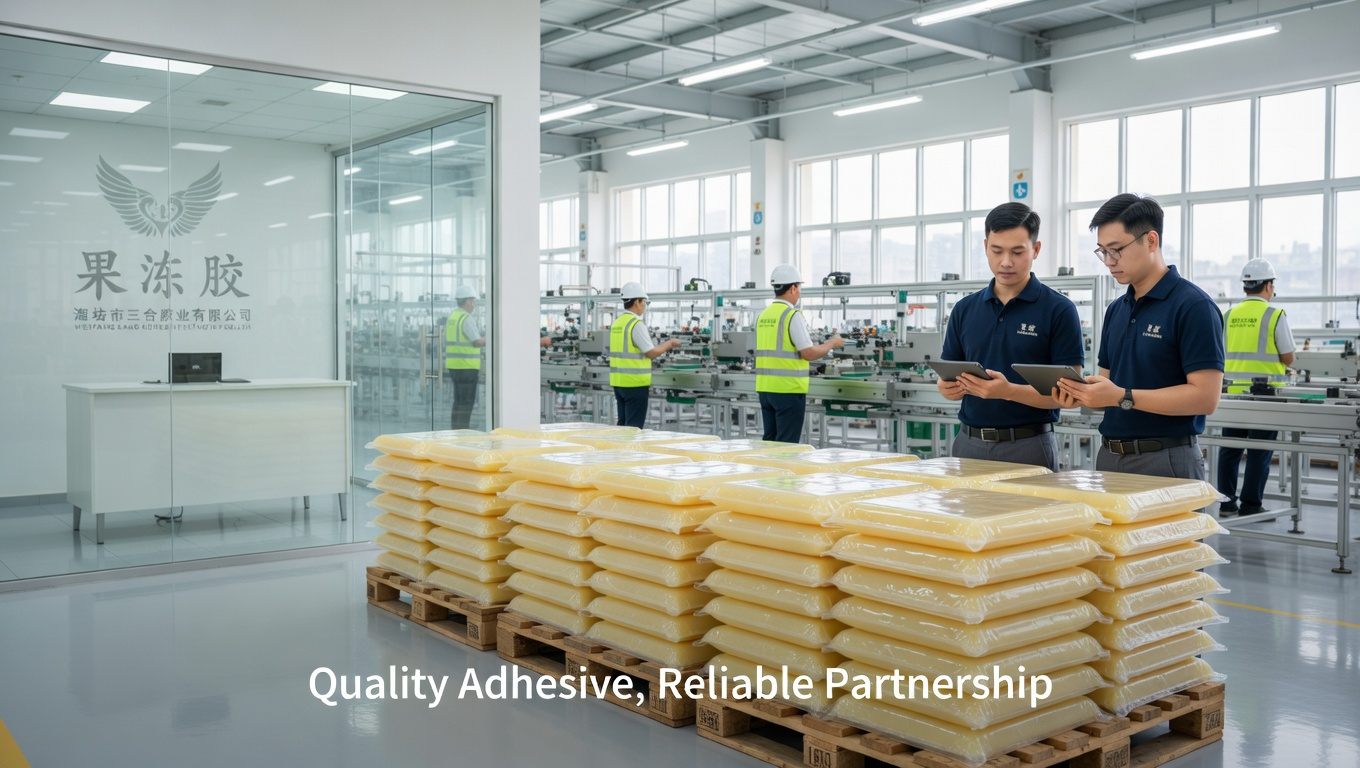
Fast-set (3-8s), low-stringing, stable-viscosity jelly adhesives are used for high-speed carton and case lines up to about 60-140 m/min.
How do you keep output consistent at high speed?
Stable viscosity and controlled set time reduce edge defects and rework, improving throughput consistency on fast lines.