

In short
A more focused hardcover bookbinding page for buyers who care about spine flexibility, clean finish, and repeatable case-making output.
Key takeaways
- Controlled open time for hardcover workflows
- Clean spine finish and low stringing
- Sample support for print finishing teams
Explore next
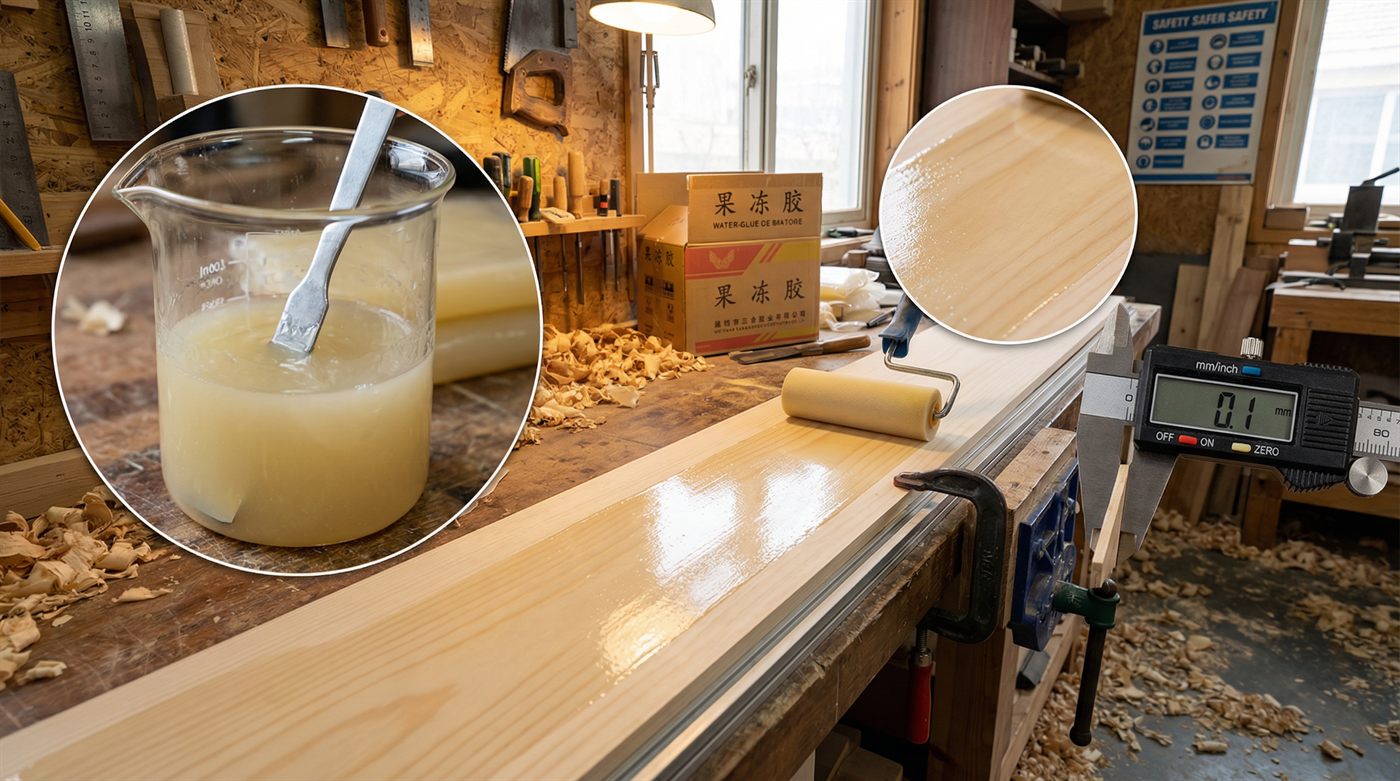
Clean Spine Bonding Without Excess Residue
Stable melt flow and lower stringing help maintain a cleaner finish on hardcover backs and case-making stations.
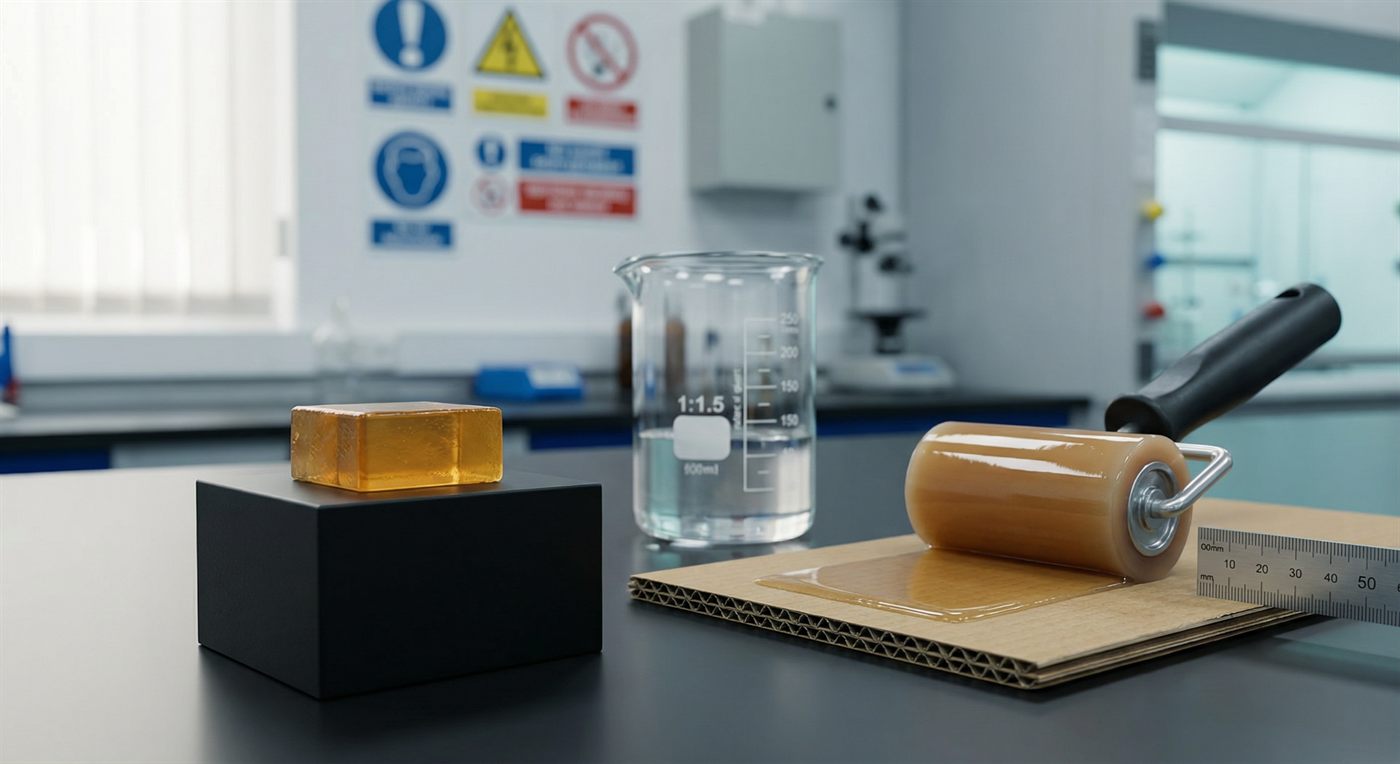
Controlled Window for Positioning and Pressing
Matching open time to line speed and paper thickness is key to avoiding weak backs, brittle spines, or slow set issues.
Quick Facts
Useful reference points for hardcover and case-making buyers.
Need a Hardcover Bookbinding Recommendation?
Share book block thickness, line speed, and current bonding issue. We will recommend a model and sample route.
Frequently Asked Questions
Direct answers for procurement managers and process engineers.
Which adhesive is used for bookbinding and hardcover?
Special-purpose models are used for book backs, spines, and cover bonding where controlled open time and clean application matter.
Which models are typical for bookbinding?
Special-purpose models such as 201, 321, 754, and 760 are used for book spine and cover applications depending on machine type.
Can you match my bookbinding line?
Yes. Share your machine type, board thickness, and monthly volume; we recommend a model and supply a sample for trial.